Our services
Popeth’s therapeutic approach is rooted in child development and the impact on our children and young people when they have experienced early life trauma.
How children respond to their experiences and communicate their trauma is individual. The heart of our work is finding the best approach to support the child on their journey.
The child’s most important relationship is with their caring adults, which is why we involve them throughout the therapeutic process. Supporting them to decode, accept and understand their child’s trauma language. Being adaptable, we tailor our approach for each family’s therapeutic needs. It means at times we will be using more than one therapeutic model.
We believe all the important adults in the child’s village are central to the child and family’s journey. We also work with these key adults to decode, accept and understand the child’s trauma language; creating consistency, predictability and reliability for the child. A child’s village is all the people who are there for them as they grow. This may include extended family, educators, social workers, occupational health therapists and any other adults who are important to them.
We keep the family’s needs central throughout the therapeutic processing ensuring we adapt as the family grows.
The 3 R's
Regulate
Relate
Reason
- Firstly, our children will need help to feel stable and safe in their body, so they can better understand what's going on inside them.
- We relate by helping our children build healthy relationships and managing their emotions more effectively.
- Then we can assist our children in reasoning, reflecting, and making sense of their experiences, fostering a positive sense of Self.
- The importance of all relationships is central to fostering meaningful change
- Where the sensory needs are greater than our knowledge, we collaborate with professionals with these expertise.
Popeth’s Therapeutic Approach
Dyadic Developmental Psychotherapy and Playful Dyadic Developmental Psychotherapy
Dyadic Developmental Psychotherapy (DDP) was developed by Dr. Daniel A. Hughes.
Central to the process is the strengthening of the parent-child relationship, helping children heal from trauma and build a secure attachment with their caregivers. The therapy focuses on creating a supportive and loving environment, using playfulness, acceptance, curiosity, and empathy (PACE) to guide the process.
We recognize that play is a child’s language and so, where necessary, combine DDP and PACE with creative play therapy and Theraplay-informed techniques. The approach is led by the child and families therapeutic needs.
Theraplay
Theraplay uses playful, fun games, developmentally appropriate activities, and nurturing interactions to guide parents and children.
By engaging in these activities together, parents can help regulate their child’s behavior and express love, joy, and safety. This approach fosters feelings of security, care, connection, and self-worth in the child. We incorporate Theraplay principles into our sessions to strengthen relationships between the child and their caring adult. Modern neuroscience shows that strong attachments enable children to understand, trust, and thrive in their world.
Systemic Creative Play Therapy
We use a PACEful trauma informed approach with Play therapy.
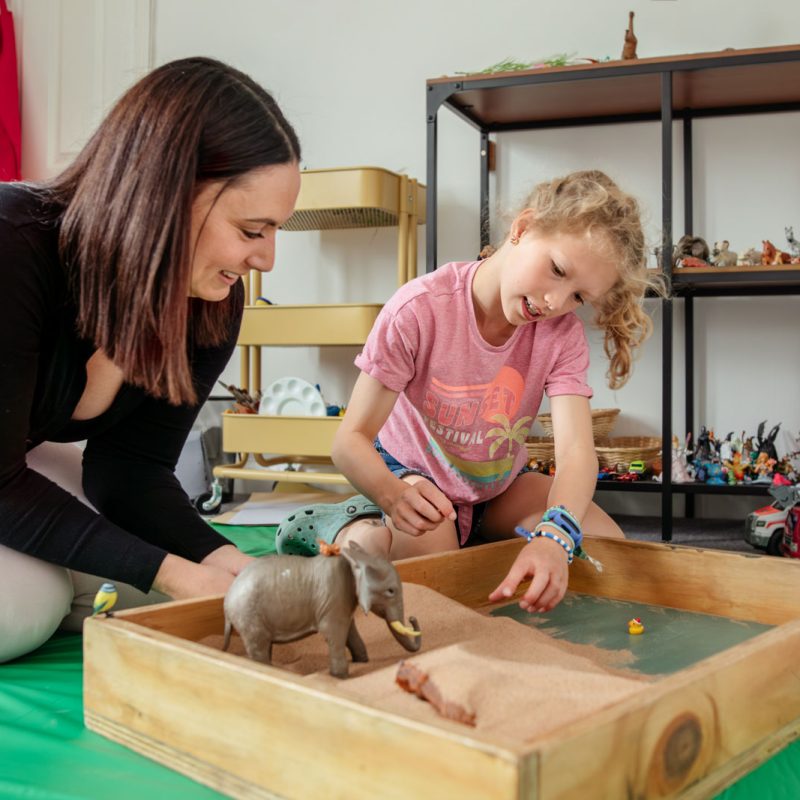
Play Therapy gives the child an opportunity to externalize their inner world to the parent and the therapist through using their most familiar language; play.
Caring adults have their own space where psychoeducation, DDP and PACE principles underpin the therapeutic parenting sessions. Led by the family’s therapeutic needs, the process would conclude bringing the child and caring adults together in the therapy room. Here, joys and challenges can be shared, strengthening the relationship and enabling the therapy to continue beyond the therapy room.
therapeutic life story work
Based on Richard Rose’s trauma-informed model, we use therapeutic life story work to support children in understanding their past and its impact on their present.
Each child has an individualized plan, focusing on empowering them to create a narrative from their perspective as they therapeutically explore their past. We understand that our complex children need time for regulation and relationship building before they can engage in reasoning and reflection. With relationships central to this process, the caring adult attends the sessions, increasing their understanding, acceptance, and empathy of the child as they navigate the journey together.
Assessments
NSPCC Reunification Assessments and CUBAS Parenting Assessments
At Popeth we want to work with professionals to reunite families where it is safe to do so. We support families who are working with professionals under placement with parents to a place where they no longer need the support.
We do this by offering two assessment process’s CUBAS Parenting Assessment and NSPCC Reunification Assessment, both underpinned by our trauma informed knowledge. They include therapeutic direct work along with psychoeducation to aid parents’ capacity to change and recognise where further education is required.
We also provide a combination of assessments and therapeutic packages to support the families to progress to reunification or where the care order can be discharged. This may look like therapeutic parenting sessions and/or parent-child therapeutic interventions to support relationships to repair, re-build or strengthen.
As a professional you may have completed your own assessment, yet before the reunification or discharge plans can progress there is a recommendation for therapeutic support. At Popeth we support families on their journey by providing tailored therapeutic packages, with the option of a re-assessment at the end.
Sibling Attachment Assessments: Beyond Together or Apart
Our assessors are trained in CORAM and BAFF Beyond Together of Apart: Planning for, assessing and placing sibling groups. The sibling relationships can be one of the most important relationships for our children and wherever possible this must be protected. Sadly, in some instances the siblings’ relationships are too vulnerable (needs finishing).
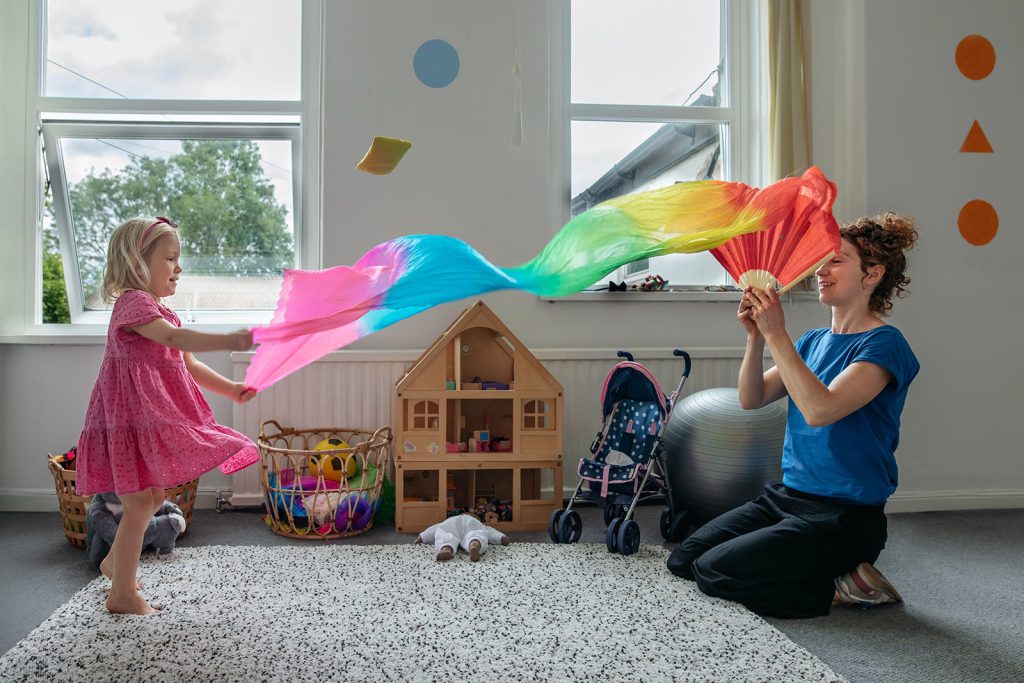
Direct work is carried out with the children and young people to gain their wishes and feelings around the relationships between siblings. This is done in a playful manner that is sensitive to the child’s emotional world and feelings around their current circumstances. If it is felt siblings are unable to reside together we can offer advice and guidance on in-direct work and direct work that would support the move on to individual placements.